

Podcasting for Public Information: Starting Your Own Series

Podcasting has become a practical tool for public information officers (PIOs), public affairs officers, and executive leaders in public sector emergency service agencies. With growing public interest in on-demand audio, podcasting provides agencies with a way to share messages directly with their communities, bypassing traditional media filters. Your agency can utilize a podcast to establish trust, showcase expertise, and address questions people often have but rarely get the opportunity to ask.
Why Podcasting Works for Public Information
Podcasting works because it meets people where they are. Many listeners tune in during their commute, workout, or downtime. They want stories, context, and authentic voices. A podcast can provide this in a way that press releases or social media posts cannot. It is conversational, flexible, and allows for depth without overwhelming the audience.
A recent report from Edison Research (2024) indicates that 67 percent of Americans aged 12 and above have listened to a podcast, with 42 percent listening monthly. Public agencies can reach a segment of this growing audience by creating podcasts designed to inform, explain, and connect.
Getting Started: Planning Your Podcast
Before recording, you need a clear plan. Ask these questions:
Who is your target audience? Community members, agency partners, or other PIOs?
What is your podcast’s primary purpose? Sharing safety information, highlighting programs, or giving behind-the-scenes looks at public safety operations?
How often will you release episodes? Weekly, biweekly, or monthly?
Who will host the podcast? A PIO, agency leader, or rotating staff?
Write down goals and stick to them. A clear plan prevents your podcast from becoming inconsistent or losing focus.
Equipment and Setup
You don’t need a studio. A basic setup works fine:
Microphone: USB microphones, such as the Audio-Technica ATR2100x, are reliable and affordable.
Headphones: Closed-back headphones help you monitor sound.
Recording Software: Free tools like Audacity or paid options like Adobe Audition.
Hosting Platform: Services like Libsyn, Podbean, or Buzzsprout distribute your podcast to major platforms like Spotify, Apple, and Google.
Cost Range:
A beginner setup, consisting of a single USB microphone, headphones, and free software, can cost around $150–$300.
A more advanced setup for multiple interviews, featuring XLR microphones, an audio interface or mixer, additional headphones, and professional editing software, can range from $800 to $2,000, depending on the brand and quality.
Test your setup before launching; audio quality matters. Listeners will forgive minor flaws, but not repeated poor sound quality.
Content Ideas for Public Agency Podcasts
PIOs often worry about running out of content. Here are approaches that work:
Safety Education: Seasonal topics like wildfire readiness, storm preparation, or school safety.
Interviews: Agency leaders, frontline staff, or community partners.
Updates: Explain policy changes or new programs.
Behind the Scenes: Show how decisions are made or what daily operations look like.
Case Studies: Break down past incidents and what was learned.
The Role of the PIO Podcast
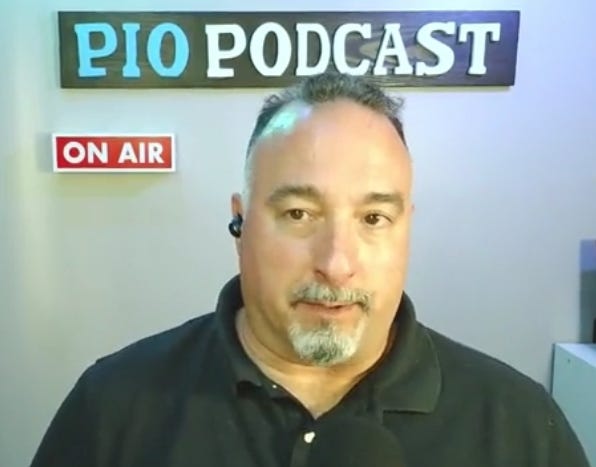
The PIO Podcast is a strong example of how podcasting connects professionals. It has opened opportunities for PIOs around the world to share experiences, compare strategies, and learn from each other’s successes and mistakes. Through regular interviews and conversations, the PIO Podcast has created a collaborative space where public communicators can find common ground and practical advice. The PIO Podcast is in it’s fifth season with hundreds of recorded episodes with over half involving video. This model illustrates how a podcast can enhance professional networks while providing listeners with transparent and honest perspectives on the challenges of public communication.
Promoting Your Podcast
Recording is only half the work. Promotion ensures people listen:
Post episodes on agency socials.
Post on your website with transcripts or summaries.
Send email updates to subscribers.
Ask partner agencies to share episodes.
Cross-promotion builds reach. For example, if you feature a guest from another agency, they are likely to share the episode with their audience.
Measuring Success
Track performance with hosting analytics. Look at:
Number of downloads.
Listener retention (how long people stay engaged).
Subscriber growth.
Compare these numbers over time. Use them to guide decisions about content, format, or frequency. If one type of episode performs better, make it a regular feature.
Challenges to Expect
Podcasting is practical but takes commitment. Challenges include:
Time: Recording, editing, and promoting each episode requires hours of work.
Consistency: Audiences expect regular updates. Missed episodes can lose listeners.
Content Balance: Avoid jargon or content that feels too internal.
These challenges are manageable with planning and realistic expectations. Start simple. A 15-minute podcast released once a month is preferable to an hour-long show that appears only a few times a year.
Looking Ahead
Podcasting continues to grow. According to Statista (2025), the global Number of podcast listeners is expected to reach 504 million this year. Public agencies that commit now can build a presence in a space that audiences already value. For PIOs, podcasts are not just a communication tool. They are a way to create dialogue, strengthen relationships, and share experiences beyond press releases and social media updates.
Public information is about trust, clarity, and connection. A podcast delivers all three when done with planning and consistency. If your agency is considering podcasting, start small, learn as you go, and listen to feedback from your community. The result can be a resource that helps both your agency and the public you serve.
Sources:
Edison Research, The Infinite Dial 2024, https://www.edisonresearch.com/the-infinite-dial-2024/
Statista, Number of podcast listeners worldwide 2019–2025, https://www.statista.com/statistics/1092505/podcast-listeners-worldwide/